



In recent years, the landscape of language learning has been significantly transformed by the advent of online platforms and games tailored to engage users in interactive and practical language exercises. Among these platforms, websites utilizing keywords such as 'phjoin' have witnessed an exponential increase in use, marking a notable trend in educational technology.
As we look to 2025, the integration of gamification into language learning stands out as a dynamic force driving educational innovation. Online games have evolved far beyond basic vocabulary exercises and are now incorporating complex narrative and role-playing elements that encourage deeper engagement and retention. These platforms provide an immersive experience where learners can practice linguistic skills in context, interacting with native speakers worldwide and receiving instant feedback.
The popularity of these games can be attributed to several factors. Firstly, the accessibility afforded by digital technology allows users to practice anytime and anywhere, making language learning more flexible than traditional classroom settings. Secondly, the competitive element intrinsic to gaming motivates learners by offering rewards and recognition for milestones achieved, thus enhancing the user's commitment.
Educational experts acknowledge that while these platforms are not a substitute for traditional instruction, they offer a complementary approach that addresses various learning styles. The use of virtual scenarios helps learners understand cultural nuances, an aspect often overlooked in conventional learning environments. Moreover, the collective nature of these games fosters a community of learners who support and learn from each other.
From a pedagogical perspective, the challenge remains to ensure these games maintain educational integrity and continue to be aligned with recognized language learning frameworks. As technology advances, opportunities will arise to create even more sophisticated learning tools. Collaborative efforts between educators, game developers, and linguists will be crucial in driving the development of new curriculum-aligned content that can broaden the scope of language education.
The next few years promise an exciting phase where 'phjoin' and similar platforms could potentially reform language education, making it more inclusive and effective. As these games continue to gain traction, they symbolize a shift towards a more interactive, user-centered form of learning that could redefine educational practices globally.

Exploring how gaming platforms like 'phjoin' are influencing educational methodologies and transforming learning experiences in 2026.

Exploring how 'phjoin' and similar platforms are transforming English learning in 2025.

Exploring the impact of technology on gaming and the transformative role of 'phjoin' in 2026.
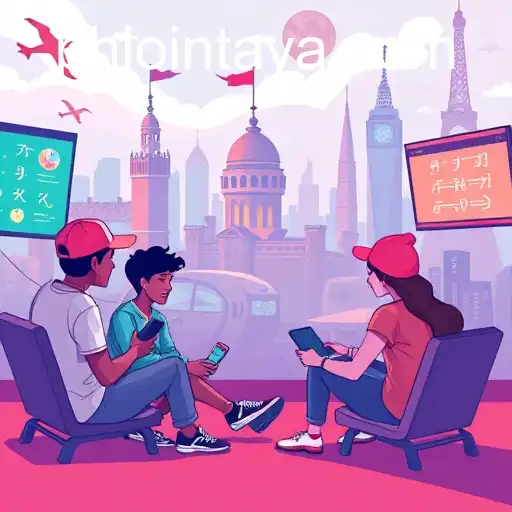
Exploring the growing trend of online English games in the digital world.

Exploring the growth and innovation in online gaming as 2026 unveils new dynamics.
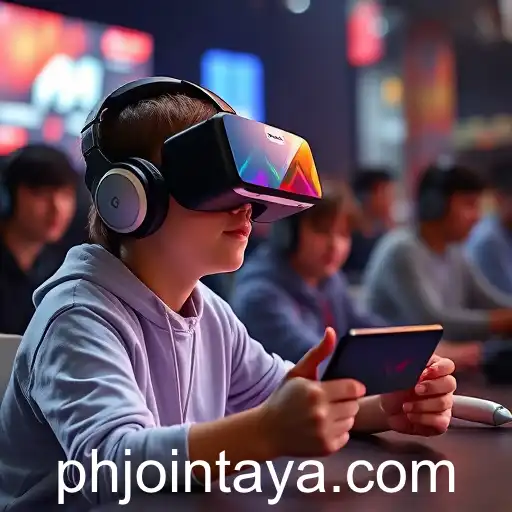
Explore the landscape of online gaming in 2025, focusing on new trends, evolving platforms, and their societal impact.
